
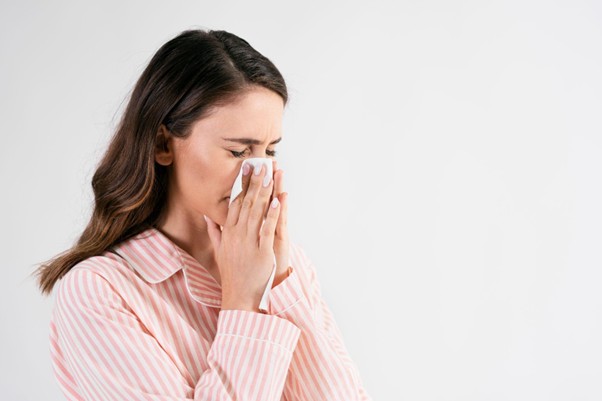
Nasal allergies are a common health concern that can significantly affect daily comfort and productivity. They occur when the immune system reacts to airborne substances such as pollen, dust mites, mold, or pet dander. These reactions can lead to symptoms like sneezing, congestion, runny nose, and itchy eyes, making even simple activities uncomfortable.
Living with a nasal allergy often means dealing with recurring symptoms that can interfere with sleep, work, and overall well-being. Understanding the triggers and adopting preventive strategies is essential for managing these reactions effectively.
Seeking guidance from an experienced ENT specialist in Vadodara can help identify specific allergens and create a personalized plan to reduce exposure and manage symptoms. With the right approach, it is possible to minimize discomfort and maintain a healthier lifestyle.
Common Triggers of Nasal Allergies
To prevent nasal allergies, it is important to recognize the factors that commonly trigger them. Allergens vary from person to person, but certain elements are widely known to cause reactions.
These include:
- Pollen from trees, grasses, and weeds
- Dust mites found in bedding and furniture
- Mold spores in damp environments
- Pet dander from animals
- Air pollution and smoke
Identifying your specific triggers allows you to take targeted steps to avoid exposure and reduce symptoms.
Maintaining a Clean and Allergen-Free Home
Your home environment plays a crucial role in managing nasal allergies. Keeping living spaces clean and free from allergens can significantly reduce the frequency and severity of symptoms.
We recommend:
- Regular vacuuming with a HEPA filter
- Washing bedding in hot water weekly
- Using dust-proof covers for mattresses and pillows
- Keeping humidity levels under control to prevent mold growth
A clean home environment minimizes allergen accumulation and creates a more comfortable space for daily living.
Improving Indoor Air Quality
Indoor air quality has a direct impact on nasal health. Poor air circulation and the presence of pollutants can exacerbate allergic reactions.
To improve air quality:
- Use air purifiers with HEPA filters
- Ensure proper ventilation in all rooms
- Avoid smoking indoors
- Keep windows closed during high pollen seasons
Clean air helps reduce irritation in the nasal passages and supports overall respiratory health.
Personal Hygiene Practices for Allergy Prevention
Maintaining good personal hygiene can help prevent allergens from accumulating on your body and clothing.
Simple habits include:
- Washing your hands frequently
- Showering after outdoor activities
- Changing clothes after exposure to pollen or dust
- Avoiding touching your face unnecessarily
These practices reduce the likelihood of allergens entering your nasal passages and triggering symptoms.
Managing Outdoor Exposure
Outdoor environments can be a major source of allergens, especially during certain seasons. Being mindful of outdoor exposure can help prevent flare-ups.
Consider the following precautions:
- Check pollen forecasts before going outside
- Limit outdoor activities during peak pollen times
- Wear sunglasses to protect your eyes
- Use a mask in highly polluted or dusty areas
Taking these steps helps minimize contact with allergens and keeps symptoms under control.
Diet and Lifestyle Choices for Better Immunity
A strong immune system plays a key role in managing allergic reactions. Healthy lifestyle choices can help your body respond more effectively to allergens.
Focus on:
- Eating a balanced diet rich in fruits and vegetables
- Staying hydrated to keep nasal passages moist
- Getting regular exercise
- Ensuring adequate sleep
These habits support overall health and may reduce the severity of allergic responses.
Using Preventive Medications and Treatments
For individuals with persistent symptoms, preventive medications can provide relief and reduce the frequency of allergic reactions.
Common options include:
- Antihistamines to control allergic responses
- Nasal sprays to reduce inflammation
- Decongestants for temporary relief
It is important to use these treatments under professional guidance to ensure safety and effectiveness.
Natural Remedies and Home Care Strategies
In addition to medical treatments, natural remedies can complement your allergy prevention routine.
Some effective approaches include:
- Steam inhalation to clear nasal passages
- Saline nasal rinses to remove allergens
- Herbal teas that support respiratory health
While these methods may not replace medical treatment, they can provide additional comfort and relief.
Recognizing When to Seek Professional Help
While preventive measures are effective, some cases require professional evaluation. Persistent or severe symptoms may indicate the need for specialized care.
You should seek medical attention if you experience:
- Chronic nasal congestion
- Frequent sinus infections
- Difficulty breathing
- Symptoms that do not respond to over-the-counter treatments
Early intervention ensures that underlying issues are addressed and prevents complications.
Long-Term Strategies for Allergy Management
Managing nasal allergies is an ongoing process that requires consistency and awareness. Developing long-term strategies helps maintain control over symptoms and improves quality of life.
Key strategies include:
- Regular medical check-ups
- Monitoring environmental changes
- Adapting preventive measures as needed
A proactive approach ensures that you stay ahead of potential triggers and maintain better health.
Taking Control of Your Nasal Health
Preventing nasal allergies involves a combination of awareness, lifestyle adjustments, and proactive care. By identifying triggers, maintaining a clean environment, and adopting healthy habits, you can significantly reduce the impact of allergies on your daily life.
With the right strategies and professional guidance, managing nasal allergies becomes a manageable part of your routine rather than a constant challenge. Taking control of your nasal health leads to improved comfort, better productivity, and an overall enhanced quality of life.